Complaints Procedure for Cleaners SW2
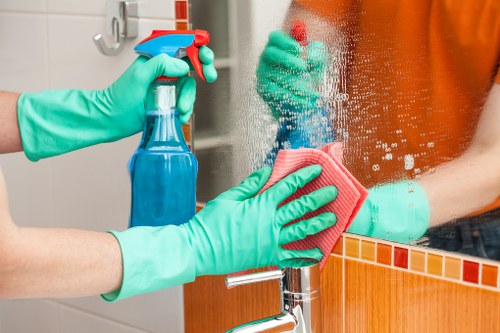 A clear cleaners complaints procedure helps households, landlords, and businesses understand how concerns are handled when cleaning standards do not meet expectations. Whether the issue involves missed tasks, repeated lateness, damaged belongings, or a one-off service failure, a structured process makes it easier to resolve matters fairly and promptly. For clients using cleaners SW2, the aim is to keep communication simple, respectful, and focused on practical solutions.
The first step in any cleaning complaint process is to identify the problem as soon as possible. It is usually best to note what happened, when it happened, and which part of the service was affected. Clear details help the matter move forward without confusion. A good complaint does not need to be long; it needs to be accurate. This allows the cleaning provider to assess the situation and decide whether the concern relates to a missed instruction, a misunderstanding, or a service issue that needs correction.
 In many cases, the complaints procedure for cleaners begins with an internal review. The service provider will normally examine the cleaning checklist, appointment record, and any special instructions agreed in advance. If the complaint concerns a cleaner in SW2, the review may also look at whether the assigned tasks matched the service description. This stage is important because it separates isolated errors from more serious patterns. When handled properly, it supports consistency and improves the quality of future visits.
Fair handling is at the heart of a reliable cleaners complaints policy. Both sides should have the opportunity to explain what happened. The client should describe the issue calmly and clearly, while the provider should acknowledge the concern and explain the next steps. In some cases, the matter can be resolved by re-cleaning an area, correcting an overlooked task, or arranging a follow-up visit. In others, the provider may need to review staff training, supervision, or service planning.
When the complaint relates to damage or loss, the process should remain factual and careful. Supporting information such as photographs, written notes, or a service checklist can help clarify the matter. A professional cleaning complaints procedure should never rely on assumptions. Instead, it should focus on what can be verified and what outcome is reasonable. This protects the client and also gives the cleaner a fair chance to respond to the concern.
 The middle stage of a cleaners SW2 complaints process usually involves deciding on a remedy. Possible outcomes may include a repeat clean, a partial adjustment, an apology, or an explanation where the service was provided correctly but expectations were not fully aligned. The most effective procedures are consistent, so similar issues are treated in a similar way. That consistency helps build trust and reduces the chance of disputes becoming prolonged.
For a complaints procedure for cleaning services to work well, timeframes should be realistic and clearly followed. A complaint should be acknowledged without unnecessary delay, and the investigation should move forward in an orderly way. If further information is needed, the provider should request it as soon as possible. If the matter is straightforward, it should be resolved quickly. If it is more complex, the client should still be kept informed about progress and the expected timeline.
It is also useful for a cleaner complaint process to define what happens if the first response does not resolve the matter. A review stage gives both sides another chance to consider the issue. At this point, the case may be reassessed by a supervisor or manager who was not directly involved. This additional check can be valuable when the complaint is about service quality, conduct, or repeated failure to follow instructions. The purpose is not to prolong disagreement, but to ensure the decision is balanced.
Good documentation supports every stage of the cleaners complaints procedure. Records should include the date of the complaint, the nature of the issue, the investigation steps taken, and the final response. Keeping accurate notes helps the business identify recurring problems and improve service standards over time. It also makes it easier to show that concerns were handled properly and in line with a sensible process.
 One of the most important parts of a cleaning service complaints policy is professionalism. Even when a complaint feels minor, it should still be treated with care. Polite communication, timely updates, and a willingness to correct mistakes all contribute to a stronger client relationship. Where the issue is not upheld, the explanation should be clear and respectful. Where the issue is upheld, the remedy should be practical and proportionate.
Clients often value a complaints process that is easy to understand. They do not need complicated language or unnecessary steps. A straightforward complaints procedure for cleaners SW2 should explain how concerns are raised, who reviews them, what information is useful, and how the result is communicated. Simplicity matters because it reduces stress and makes the process more accessible to everyone involved.
Training also plays a key role in a reliable cleaners complaints procedure. Staff should understand how to listen carefully, record concerns accurately, and respond without becoming defensive. When cleaners know how complaints are managed, they are better able to maintain standards and prevent repeat issues. That awareness supports a more dependable service and a more confident customer experience.
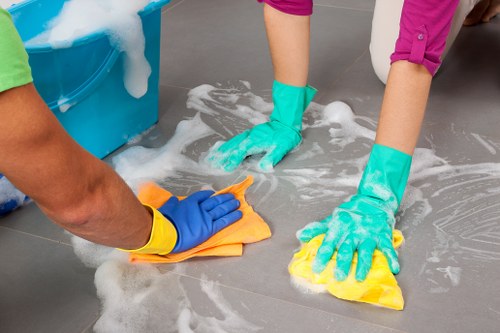 In the final stage of the cleaning complaints procedure, the focus should return to resolution and prevention. Once the matter is closed, the provider can use the experience to improve task planning, communication, or supervision. A well-managed complaint is not only a solution to one problem; it is also an opportunity to strengthen the service overall. This approach is especially important where clients rely on regular, high-standard cleaning and expect dependable results.
The best cleaners SW2 complaints procedure is one that is fair, calm, and consistent from start to finish. It should protect the client’s right to raise concerns while also giving the cleaner a fair and structured response. With clear records, sensible timeframes, and practical outcomes, the process can turn dissatisfaction into a more professional service experience.