Office Cleaning in SW2
Keeping a workplace clean is about more than appearance. It affects how people feel when they arrive, how smoothly the day runs, and how confidently a business can welcome staff, clients, and visitors. If you are looking for office cleaning in SW2, you probably want a service that fits the realities of local premises: busy shared buildings, compact office layouts, mixed-use properties, and the everyday mess that builds up when teams are working hard. A dependable cleaning routine helps create a calmer, healthier, and more professional environment without placing extra pressure on your staff.
In SW2, offices can range from small independent workspaces and professional studios to larger commercial premises, converted buildings, and shared business spaces near busy transport links and high streets. That variety matters, because each site has different needs. Some offices need early-morning cleaning before staff arrive, while others need evening visits once the building is quiet. Some need regular attention to reception areas and meeting rooms, while others need more focus on kitchens, washrooms, and high-touch surfaces. A local service should be able to work around the way your business actually operates.
This page is designed for local customers who want practical information before they enquire. Whether you are comparing options for a one-off deep clean, a recurring contract, or support after refurbishment, you will find clear details below about what is included, how the service works, what can affect the cost, and why a local team can be especially useful in SW2. If you are ready to improve the standard of your workspace, contact us today to request a free quote or discuss your requirements.
Why office cleaning matters for SW2 businesses

A clean office does more than create a good impression. It supports day-to-day business in very practical ways. Dust, clutter, and neglected communal areas can make a workplace feel disorganised, while a regular cleaning routine helps everything run more smoothly. In a busy area like SW2, where many businesses operate from multi-occupancy buildings, roadside premises, or converted spaces, keeping shared spaces in good condition can be especially important.
Staff are often more comfortable and focused in a tidy environment. Clients and visitors notice clean entrances, polished floors, and well-kept meeting rooms almost immediately. Even if they do not comment on it, the condition of your office affects their overall view of your organisation. For customer-facing businesses, a spotless reception area can help set the right tone before any conversation begins.
Office cleaning in SW2 is also about hygiene. Desks, handles, switches, keyboards, kitchen surfaces, toilets, and shared equipment can all collect dust and germs quickly. Regular cleaning helps reduce the spread of dirt and keeps essential touchpoints under control. That is particularly useful where teams work closely, clients visit often, or the building has shared access points and common facilities.
Local workplaces that often benefit from regular cleaning
- Small offices and start-up spaces
- Professional practices and consultation rooms
- Creative studios and design agencies
- Shared offices and serviced workspaces
- Retail back offices and admin areas
- Commercial units with staff kitchens and washrooms
- Converted buildings with stairwells and communal entrances
For these workplaces, the value of a reliable service goes beyond basic tidiness. It is about supporting productivity, protecting presentation, and making sure the office is ready for the next working day.
What is included in office cleaning

Every workplace is different, so a good cleaning service should be tailored rather than rigid. The most useful office cleaning plans are built around the rooms, surfaces, and routines that matter most to your business. That might mean daily upkeep of a busy office, or a lighter schedule for a small team that only uses the space a few days a week.
Typical office cleaning tasks often include vacuuming carpets, sweeping and mopping hard floors, wiping desks and work surfaces, cleaning meeting rooms, emptying waste bins, and refreshing communal areas. Many businesses also want extra focus on kitchens and washrooms, because these spaces need consistent attention to stay hygienic and pleasant for staff and visitors.
In many SW2 offices, cleaning also needs to include shared access areas such as lobbies, corridors, staircases, and entrance mats. These spaces collect outside dirt fast, especially where staff and visitors are moving in and out throughout the day. A proper routine helps keep these first-contact areas presentable and reduces the build-up of debris tracked into working spaces.
Common areas included in an office clean
- Reception and entrance areas
- Open-plan workspaces and individual offices
- Meeting rooms and conference areas
- Staff kitchens and tea points
- Toilets and washrooms
- Corridors, stairs, and communal zones
- Touchpoints such as handles, switches, and push plates
- Bins, recycling points, and waste collection areas
Strong, consistent cleaning routines are particularly helpful where offices host regular visitors, use shared workstations, or store equipment that collects dust easily. If you need a service adapted to your setup, it is sensible to request a site discussion before booking.
How office cleaning services work in SW2

Most customers want a service that is simple to manage. That usually starts with a brief conversation about the size of the space, the type of business, the cleaning frequency you want, and any specific concerns. From there, a cleaning plan can be created around your working hours and the areas that need the most attention. The aim is to make the process smooth and predictable, not disruptive.
For many local workplaces, the best arrangement is a recurring schedule that keeps standards steady rather than allowing dust and clutter to build up. Some offices prefer daily cleaning; others need a few visits each week. The right schedule depends on foot traffic, number of staff, client visits, shared facilities, and how much use the premises get outside office hours. In SW2, where some buildings are occupied by several businesses or have mixed residential and commercial use, flexibility is often essential.
Cleaning visits can usually be arranged outside normal office hours so the work does not interrupt your team. Early morning and evening slots are often preferred, especially where staff need quiet access during the day or where receptions and meeting rooms must be ready before opening. If your premises have specific access arrangements, it helps to discuss those in advance so the service can be delivered efficiently.
Typical steps in the service process
- Discuss your workplace layout and cleaning priorities.
- Agree the schedule and frequency that suits your business.
- Identify any access, security, or parking considerations.
- Carry out the cleaning tasks agreed for your site.
- Maintain a consistent routine so standards stay high.
Good office cleaning should feel effortless from the customer’s point of view. Once the routine is in place, you should be able to focus on work while your premises remain tidy, hygienic, and ready for use.
Why a local SW2 cleaning team can be a better fit
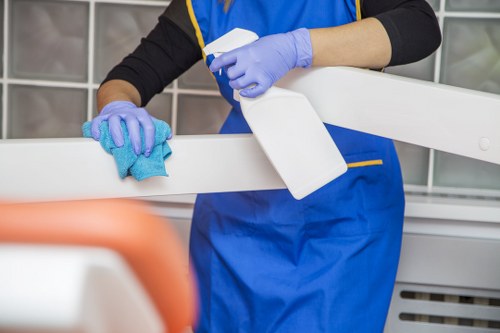
Choosing a local provider brings practical benefits that matter in everyday service delivery. A team familiar with SW2 is more likely to understand the pace of local streets, the types of buildings in the area, and the access issues that can affect timing. That can be especially helpful if your office is in a converted property, a shared building, or a location where unloading equipment or finding parking needs a bit of planning.
Local knowledge also helps with reliability. If cleaners are already familiar with the area, they are better placed to arrive on time, work around busy periods, and adapt to the quirks of a specific building. In SW2, where transport routes, side streets, and commercial/residential mixes can vary from one block to the next, that practical familiarity can make a real difference.
Many businesses also prefer working with a local company because communication is easier. If your requirements change, if you need extra attention before a client visit, or if you want to adjust cleaning frequency, it is simpler to do that with a team that serves your area regularly. For busy office managers, that kind of responsiveness can save time and reduce stress.
Reasons local businesses choose nearby office cleaning support
- Faster response to changing requirements
- Better understanding of local access and parking challenges
- Flexible scheduling around office hours
- Useful for shared buildings and mixed-use premises
- Easier arrangement of recurring visits
- Practical support for both small and larger workplaces
When you are comparing providers for office cleaning SW2, local experience should be part of the decision. It often translates into less hassle and a more dependable routine over time.
Commercial and residential-style property types in SW2

SW2 includes a mix of property types, and that has a direct effect on how cleaning needs to be planned. Some offices sit in purpose-built commercial units, while others are located in converted townhouses, upper-floor rooms, or shared premises with residential neighbours nearby. The cleaning approach needs to suit the layout, the footprint, and the level of public traffic the building receives.
For commercial tenants, the focus may be on client-facing areas, washroom hygiene, and keeping a professional appearance throughout the week. For smaller businesses in converted or shared buildings, the main challenge may be working around access restrictions, narrow staircases, limited storage, or busy communal entrances. A good cleaning plan takes these practical issues seriously instead of treating every office the same.
It is also common in SW2 to find businesses operating near busy local shopping streets, schools, transport links, or mixed residential streets. That means footfall can vary, and dirt can collect quickly in entrances and reception areas. Regular cleaning helps maintain a calm, tidy environment even when the outside world is busy and unpredictable.
Examples of local property considerations
- Upper-floor offices with stairs instead of lifts
- Shared entrances where multiple businesses use the same lobby
- Roadside premises where dust and street debris build up quickly
- Converted buildings with unusual room layouts
- Spaces with limited storage for cleaning materials and consumables
- Offices with restricted parking or loading access
If you have a space like this, it is worth asking for a cleaning arrangement that reflects the building, rather than relying on a generic schedule that may not work well in practice.
What makes a good office cleaning plan
A practical cleaning plan is built around your workplace habits. The best schedules are specific enough to keep standards high but flexible enough to fit around your business. That means identifying the areas that need daily attention, the spaces that need less frequent deep cleaning, and the tasks that should be carried out at a particular time of day.
Office cleaning in SW2 is most effective when the plan reflects how the office is used. A reception that welcomes visitors every morning needs a different level of attention from a back office used by a small internal team. Likewise, a staff kitchen used for lunch every day needs more regular care than a low-use tea point. The goal is balance: enough cleaning to keep the workplace fresh, without paying for unnecessary work.
It is also useful to think about seasonal changes. Wet weather can bring in more dirt from shoes and umbrellas, while warmer months may create more dust and demand a fresh feel in meeting rooms. A thoughtful schedule can respond to these patterns, helping your office stay comfortable all year round.
Good plans usually consider
- Office size and room layout
- Number of staff and visitors
- Hours of operation
- High-touch and high-traffic areas
- Toilet and kitchen usage
- Entrance conditions and floor types
- Any security or access rules
When these details are understood properly, the service becomes more efficient and more valuable to your business.
Pricing factors for office cleaning
Customers often want to know what affects the price of office cleaning before they commit. While exact prices are not usually fixed without assessing the premises, there are clear factors that influence the overall cost. Understanding these helps you compare services more sensibly and avoid choosing purely on the basis of a headline figure.
The main factors tend to include the size of the office, the number of rooms, how often the site needs cleaning, and whether any specialist tasks are required. A small studio with light use will usually need a different level of service from a busy multi-room office with regular visitors, kitchens, and washrooms. Extra attention to floors, glass, or deep-cleaning tasks may also affect the scope of work.
Access can matter too. Buildings with limited parking, restricted loading, secure entry systems, or multiple floors may need more planning. In SW2, where some premises are close to busier streets or are part of shared buildings, the logistics can influence how the service is arranged. A local provider should be open about these practical considerations so you know what is being included.
Typical pricing factors
- Size and condition of the premises
- Frequency of visits
- Tasks included in the clean
- Required cleaning times, such as early or late visits
- Access, parking, and entry arrangements
- Need for one-off deep cleans or specialist attention
If you are requesting a quote, be ready to explain the layout of your workspace and the standard you want to maintain. That makes it easier to receive an accurate proposal.
What to prepare before your first clean
Preparation helps the first visit run smoothly and ensures the cleaner can get straight to work. You do not need to overcomplicate things, but a few simple steps can make the process more efficient. The cleaner should be able to understand what is expected, where they can access, and which areas need the most attention.
If your office contains confidential documents, valuables, or equipment, it is wise to secure those items before the visit. Likewise, if there are any rooms that should not be cleaned on a particular day, or any surfaces requiring special care, it is best to flag those in advance. The more clearly the office is set up, the better the result.
It can also help to tidy obvious obstacles from floors and desks so cleaning can be more thorough. That does not mean the office must be spotless before the service starts; it simply means the cleaner can focus on the actual cleaning rather than moving unnecessary items around.
Preparation checklist
- Confirm access details and building entry arrangements
- Secure valuables and confidential papers
- Clear floors of loose clutter where possible
- Point out any fragile items or sensitive equipment
- Identify priority areas such as reception, kitchens, or washrooms
- Share any special instructions about surfaces or products
Clear communication at the start usually leads to better long-term results. It helps set expectations and makes the cleaning routine easier to maintain.
Why regular cleaning is better than occasional catch-up cleans
Many offices wait until the space looks tired before arranging help. While a one-off clean can certainly improve the appearance of a workplace, regular maintenance is usually more effective and more efficient. Small amounts of dirt are easier to manage than bigger build-ups, and ongoing care helps the whole office stay presentable from week to week.
Regular cleaning also means less disruption. If your office is cleaned frequently, there is less need for major catch-up work, and staff can enjoy a more comfortable environment every day. For businesses that meet clients or rely on a professional image, that consistency matters. It can also help extend the life of floors, furnishings, and fittings by reducing wear caused by dirt and grime.
In SW2 offices with shared kitchens, toilets, and entrances, regular cleaning is especially useful because these areas can deteriorate quickly if left unattended. A scheduled service prevents standards from slipping and makes the office feel cared for all the time rather than only after a problem appears.
Areas covered around SW2
Customers looking for office cleaning in SW2 often need support in nearby neighbourhoods as well. Local service coverage typically extends to surrounding streets and adjoining parts of the wider area, particularly where businesses operate close to shared transport routes and mixed commercial zones. This makes it easier to support offices that are near, but not necessarily right in the centre of the postcode area.
Depending on your premises and scheduling needs, it can be practical to serve offices around nearby localities such as Brixton Hill, Tulse Hill, Streatham Hill, Herne Hill, Clapham, and other adjacent areas where businesses share similar property types and access issues. The exact service area may vary, but the focus remains the same: reliable, regular cleaning for local workplaces.
If your office is part of a broader commercial or mixed-use building, it is worth asking whether the cleaning schedule can cover common areas as well. This is often useful for businesses in shared premises, where the reception, staircase, and corridor standards affect everyone in the building.
Frequently asked questions
How often should an office be cleaned?
That depends on how the office is used. Busy client-facing spaces may need daily attention, while smaller offices may only need cleaning a few times each week. The right frequency is based on staff numbers, foot traffic, and the areas that need the most care.
Can office cleaning be arranged outside working hours?
Yes, many businesses prefer early morning, evening, or other out-of-hours visits so staff are not disrupted. This is often especially useful in SW2 where offices may share buildings or have limited space during the day.
Do you clean kitchens and washrooms as part of the service?
These areas are commonly included, but the exact tasks depend on the plan agreed for your office. Kitchens and washrooms often need closer attention because they are high-use spaces with hygiene requirements that should not be overlooked.
What if my office is in a building with difficult access or limited parking?
That is very common in many local properties. A local provider should be able to work around access issues, stairways, entry systems, and parking limitations by planning the visit properly in advance.
Can I arrange a one-off clean before a visit or office move?
Yes. One-off cleaning can be useful before inspections, client events, handovers, or when moving into or out of office space. It can also help if your workplace needs a reset after a busy period.
What should I ask for when requesting a quote?
It helps to mention the size of the office, the rooms you need cleaned, how often you want the service, and any special requirements such as after-hours access or extra attention for communal areas. The more detail you provide, the more accurate the quote is likely to be.
Choosing the right office cleaning service
When comparing options, look for a service that listens carefully and offers a plan based on your actual needs. You want a team that understands the practical realities of your workplace, not just a standard checklist. The best results usually come from a provider who is flexible, communicative, and familiar with offices like yours.
For local companies, reliability is often the most important factor. If a cleaner arrives on time, follows instructions, and keeps standards consistent, the rest becomes much easier. A good office cleaning arrangement should support your business quietly in the background, giving you one less thing to manage.
If you are currently reviewing options for office cleaning in SW2, it makes sense to choose a service that can adapt to your hours, your building, and your priorities. That way, you get a cleaner workspace and a smoother process from the start.
Ready to improve your workplace?
Whether you need regular cleaning for a busy office, support for shared premises, or a one-off deep clean before an important event, a local team can help you keep standards high without adding to your workload. If you are based in SW2 or nearby, now is a good time to arrange a discussion about what your site needs.
Request a free quote, discuss your schedule, or book your service now. A cleaner office can make a real difference to how your business looks, feels, and functions every day.