Brockwell Park event cleanup and commercial cleaning Brixton
Posted on 27/08/2026
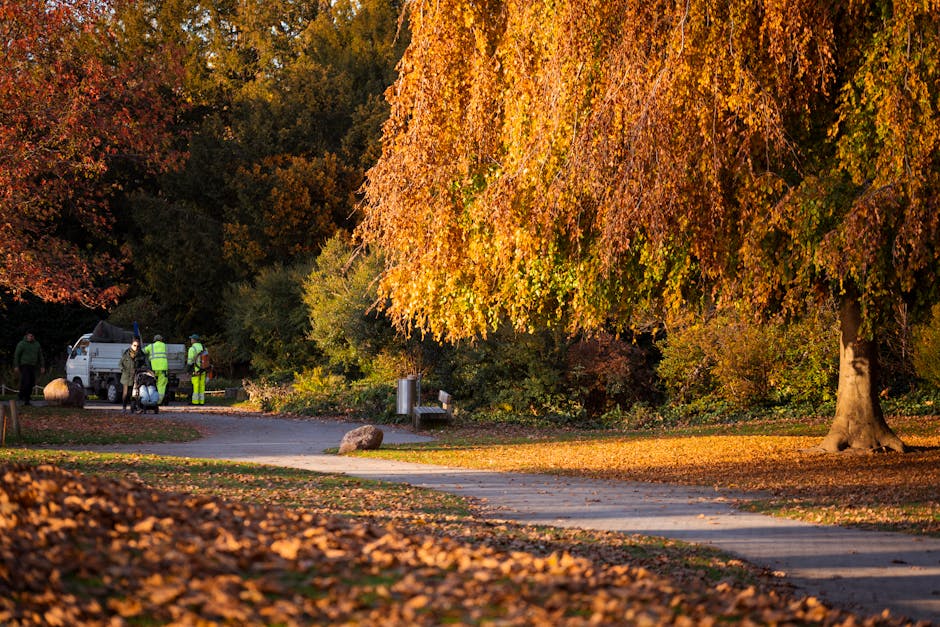
Brockwell Park Event Cleanup and Commercial Cleaning Brixton: A Practical Guide for Reliable Results
If you have ever helped clear a busy park after an event, or tried to keep a Brixton business looking sharp through a hectic week, you already know the same truth: cleaning is not just about appearance. It is about safety, timing, reputation, and getting the place ready for the next people who need it. Brockwell Park event cleanup and commercial cleaning Brixton go hand in hand because both demand a fast, organised response, sensible waste handling, and a proper eye for detail. In this guide, we will walk through how it works, who it helps, what to watch out for, and how to plan cleaning that actually holds up under real-world pressure.
Why Brockwell Park event cleanup and commercial cleaning Brixton Matters
Brockwell Park is the kind of place that gets used hard. Festivals, community gatherings, private functions, sports days, seasonal pop-ups - they all leave different kinds of mess behind. Some of it is obvious, like cups, food waste, packaging, and cigarette ends. Some of it is less visible: flattened grass edges, sticky surfaces, spill marks on nearby flooring, odours in bins, or mud tracked into entrance areas and business premises.
Commercial cleaning in Brixton sits in the same world. Local shops, offices, cafes, venues, and managed properties all rely on a clean, presentable environment to keep people comfortable and to reduce complaints. The overlap matters because events do not happen in a vacuum. People arrive by foot, bus, car, and train. They move between the park and nearby streets, and they expect the whole area to feel looked after. If the cleaning is rushed or badly planned, the knock-on effect can be a messy exit, unhappy neighbours, and a poor first impression for businesses nearby.
To be fair, cleaning is often invisible when it is done well. That is the point. Nobody remembers the spotless hard floor or the tidy waste point. They only remember when something went wrong. That is why a proper plan matters so much.
If you are looking to understand the wider Brixton setting as well, you may also find it useful to browse a few related local reads such as discovering Brixton's food and culture or where to celebrate in Brixton. They give a feel for how lively the area is, which is exactly why cleanliness and presentation matter here.
How Brockwell Park event cleanup and commercial cleaning Brixton Works
In practical terms, event cleanup is usually split into phases. The exact setup depends on the event size, the venue layout, and how much foot traffic has passed through. For Brockwell Park, the main challenge is scale and speed. You may need teams working in different zones at once, with a clear plan for litter removal, washdown, sanitising, and final inspection.
Commercial cleaning in Brixton works a little differently, but the principle is similar. A business needs regular, dependable cleaning routines that fit around opening hours, customer flow, staff use, and any specialist surfaces or fixtures. One day it might be a reception area and a kitchen. The next day, carpeted meeting rooms, shared toilets, or a shopfront that has picked up wet weather debris. Same discipline, different rhythm.
Usually, the process includes:
- site walk-through or handover briefing
- identifying high-risk or high-touch areas
- removing loose waste and sorting recycling where needed
- spot-cleaning stains, spills, and food residue
- cleaning floors, entrances, toilets, and shared surfaces
- checking corners, edges, and hidden litter traps
- final quality check before the site is signed off
That final check is underrated. A lot of problems are not dramatic. They are tiny misses - a bottle cap in grass, a sticky patch near a doorway, a smudge on a glass panel. Small things, yes, but they still shape how the place feels.
Key Benefits and Practical Advantages
When the cleaning is organised properly, the benefit is more than just visual. You get a site that feels usable again. You also reduce the chance of complaints, slips, odours, and last-minute scrambling. For event organisers, venue managers, landlords, and business owners, that reassurance is worth a lot.
Here are the main advantages people usually notice:
- Faster turnaround: The site can be returned to normal use sooner, which matters when bookings are back-to-back.
- Better public impression: Clean grounds, entrances, and interiors tell people the place is cared for.
- Lower risk of avoidable issues: Clear walkways, sanitary toilets, and removed spill residue help reduce trip and hygiene problems.
- Less stress for staff: Your team does not have to improvise after everyone else has gone home.
- More consistent standards: A repeatable cleaning method is easier to trust than a last-minute tidy-up.
There is also a subtle commercial benefit. Brixton is busy, energetic, and highly visible. Businesses around event routes, transport links, and popular local spots benefit when the area feels clean and orderly. If you run a premises nearby, the right cleaning routine can quietly support customer confidence. People do notice. Maybe not consciously, but they do.
Expert summary: The best cleaning plans are not the fanciest ones. They are the ones that match the site, the timing, and the real mess in front of you - not the mess you hoped would appear.
Who This Is For and When It Makes Sense
This kind of cleaning support makes sense for a wide mix of people. If your work touches events, public spaces, or customer-facing premises, you are in the right territory.
Typical users include
- event organisers planning a Brockwell Park gathering
- venue and site managers handling post-event handover
- local businesses that need daily or periodic commercial cleaning
- landlords and managing agents preparing a property after short-term use
- cafe, office, and retail operators wanting reliable ongoing upkeep
- support teams coordinating cleaning, waste removal, or deep cleans
It also makes sense when you are facing a specific pressure point. For example, if a weekend event ends late and staff are due back early Monday, you do not have much room for error. Same if a Brixton office has had builders in, or a shop has had a burst of customer traffic during a local occasion. That is when structured cleaning beats reactive tidying every time.
If you are exploring longer-term property or business decisions in the area, some readers find it useful to look at related Brixton context such as property buying strategies in Brixton and investing in Brixton property. Different topic, sure, but the same underlying idea: location-specific decisions work best when you understand local conditions properly.
Step-by-Step Guidance
If you want a cleaning operation that actually works under pressure, keep the process simple and disciplined. Fancy language helps nobody when there is mud by the gates and half a skip of mixed waste to sort out.
- Assess the site honestly. Walk the area before anything starts. Note entrances, exits, washrooms, high-traffic paths, bins, and any delicate surfaces.
- Separate waste streams early. General litter, recyclable items, food waste, and larger discarded materials should not be mixed unless the local disposal route requires it.
- Prioritise safety first. Remove obvious hazards, wet patches, broken items, sharp debris, and anything that could cause slips or cuts.
- Clean from top to bottom. Start with loose waste, then surfaces, then floors, then finishing touches. That way, you are not re-soiling already cleaned areas.
- Use the right method for the surface. Grass edges, hard floors, vinyl, glass, and upholstery all need different treatment. One approach for all? Not a great plan.
- Check hidden spots. Corners, under benches, behind bins, around barriers, and near parked waste containers are where mess tends to hide.
- Do a final walk-through. Look at the site from the perspective of the next user. If you were arriving in the morning, what would you notice?
For ongoing premises, that same logic applies to commercial cleaning. A well-run office or shop in Brixton benefits from a repeat schedule rather than one-off panic cleans. If you want a clearer picture of those routines, the services overview is a useful place to understand how different cleaning needs can be handled across domestic and commercial settings.
Expert Tips for Better Results
Here is the part most people skip, and then wonder why the clean looks fine at first but falls apart by lunchtime. Small decisions matter.
- Plan for weather, not just the booking. A wet Brixton morning changes everything. Mud, damp waste, and slippery walkways need a different approach than dry conditions.
- Label responsibility clearly. Who handles bins? Who signs off toilets? Who checks entrances? When everybody owns it, nobody owns it. You know how that goes.
- Keep spare consumables ready. Bin liners, cloths, gloves, disinfectant, absorbent materials, and washroom supplies should be available before the clean begins.
- Use a final inspection list. It sounds basic, but a checklist prevents the classic "we forgot the side entrance" moment.
- Protect adjacent business areas. Event spill-over can affect neighbouring shops, shared walkways, and common areas, so the clean should think beyond the main site.
One small but useful habit: take pictures during the handover if you are managing a complex site. Not for drama. Just for clarity. In messy real life, clarity saves time.
For business owners, regular upkeep is often more efficient than crisis cleaning. If the site is customer-facing, consider linking your cleaning plan with your operating hours. That way, you do not create noise, clutter, or disruption at the wrong moment.

Common Mistakes to Avoid
There are a few recurring mistakes that show up again and again. They are very human mistakes, by the way. Easy to make. Annoying later.
- Leaving cleanup planning until the end. If you only think about waste removal after the event starts, you are already behind.
- Underestimating footfall. A crowd leaves more than litter. It leaves compacted dirt, hidden debris, and overflow points around entrances.
- Using the wrong cleaning product or tool. Some surfaces need gentle treatment. Others need more robust attention. Guessing is risky.
- Forgetting nearby business impact. A park event can affect adjacent commercial premises, especially where people drift in and out before or after the main activity.
- Skipping the final sign-off. That last inspection is where small misses get caught. Skip it and you may pay for it later.
Another common problem is trying to make one team do everything. Event cleanup, washroom replenishment, floor care, waste handling, and commercial cleaning are related, but they are not always the same job in practice. Splitting tasks sensibly usually leads to better results. Less chaos too, which is nice.
Tools, Resources and Recommendations
You do not need overly complicated equipment, but you do need the right basics. A lot of poor cleaning outcomes happen because the team had good intentions and poor supplies. That is just the reality.
Useful tools and supplies
- durable gloves and protective wear
- heavy-duty bin liners
- general-purpose and surface-specific cleaning products
- microfibre cloths and mop heads
- absorbent materials for spill control
- brushes for edges, corners, and textured surfaces
- portable vacuums or extraction equipment where appropriate
- clear signage for wet areas
Practical recommendations
For event-heavy spaces, keep a dedicated replenishment kit on site. For commercial premises, build a cleaning rota around usage rather than convenience. A quiet back office might only need light daily attention, while customer-facing areas may need more frequent care. In a park setting, you also need to think about bin capacity and collection timing, because a perfect clean can unravel quickly if waste is left to overflow.
If your work touches soft furnishings, carpets, or office seating, the cleaning plan may need specialist support. The page on carpet cleaning in SW2 is relevant for spaces where flooring takes the brunt of wear, and upholstery cleaning matters when seating, lounges, or waiting areas need a deeper refresh.
For the more routine side of things, options like office cleaning, house cleaning, and domestic cleaning can support the wider cleanliness standard around Brixton. It is all connected, really.
Law, Compliance, Standards, or Best Practice
Whenever you are dealing with public areas, business premises, or event sites, you should work to sensible UK health and safety practice. That includes safe waste handling, slip prevention, appropriate use of cleaning chemicals, and a clear approach to staff protection. It is also wise to keep records of what has been cleaned, when it was cleaned, and any issues spotted during handover.
Where events are involved, organisers and contractors commonly need to think about duty of care, site safety, access routes, and how the clean will be delivered without creating new hazards. If food waste, bodily waste, broken glass, or sharp materials are present, the cleaning approach needs to be more cautious. No drama, just care.
For commercial premises, the best practice is usually a documented routine. That can include:
- risk awareness before cleaning starts
- clear responsibilities for staff or contractors
- appropriate product use and storage
- safe disposal of waste and contaminated materials
- attention to access, egress, and fire escape routes
- keeping public or staff areas usable during service hours where possible
You may also want to check that your chosen cleaning provider has sensible policies in place. The pages on health and safety policy, insurance and safety, and terms and conditions are useful trust signals if you are reviewing a provider's standards. For everyday reassurance, payment and security and privacy policy are also worth understanding before you commit.
And yes, if you are ever checking how a provider handles complaints or accessibility concerns, those matter too. A company that explains its processes clearly is usually a company that has thought things through.
Options, Methods, or Comparison Table
Different sites need different cleaning approaches. There is no single method that wins every time, despite what some sales pitch might suggest. Here is a simple comparison to help with planning.
| Cleaning approach | Best for | Strengths | Limitations |
|---|---|---|---|
| One-off event cleanup | After a Brockwell Park gathering or large local event | Fast reset, focused attention, useful for peak mess | Not ideal for ongoing cleanliness without follow-up |
| Scheduled commercial cleaning | Offices, shops, and customer-facing premises | Consistency, reliability, less disruption | May miss sudden one-off spills or event-related surges |
| Deep cleaning | Post-event recovery, seasonal refreshes, heavily used spaces | More thorough, better for embedded dirt and residue | Takes longer and may need access planning |
| Hybrid approach | Businesses near event routes or shared public spaces | Flexible, practical, suited to changing use patterns | Requires good coordination and clear priorities |
In practice, a hybrid approach often works best in Brixton. A park event may need a big clean immediately after the crowd leaves, while nearby commercial premises need an ongoing schedule to stay presentable. That mix keeps everything manageable instead of letting issues stack up.
Case Study or Real-World Example
Picture a Sunday event near Brockwell Park that finishes later than planned. By the time the crowd thins out, there are cups by the footpaths, food spill marks near entrances, and muddy patches where people have crossed grass to avoid a queue. Nearby, a small Brixton business has also seen extra foot traffic because event-goers drifted past on their way home. The shop floor looks fine from a distance, but the entry mat is wet, and the glass door has fingerprints all over it. Very familiar, that kind of day.
A sensible cleanup response would split the work into zones. The event side gets waste collection, litter sweep, surface wipe-downs, and checks around bins and barriers. The business side gets entrance cleaning, floor attention, bin emptying, washroom checks if relevant, and a final polish on high-touch surfaces. If there is carpet or seating involved, a deeper follow-up clean may be booked the next day.
The important part is not the glamour. There is none, really. The important part is that the site is safe, presentable, and ready for the next wave of use. When this is done properly, staff are calmer, customers notice less mess, and the whole operation feels easier. Not perfect. Just properly handled. Which, honestly, is what most people want anyway.
Practical Checklist
Use this checklist before and after a Brockwell Park or commercial cleaning job. It keeps things steady when the day is busy.
- Have you walked the site and noted problem areas?
- Are bins, waste streams, and disposal plans clear?
- Have high-risk areas been identified early?
- Is the right equipment available before work starts?
- Have cleaners been briefed on access and safety points?
- Are wet floors, sharp items, and spill zones being handled first?
- Have hidden corners, edges, and entrances been checked?
- Is there a final inspection before handover?
- Have any follow-up tasks been logged?
- Are the cleaning records stored somewhere sensible?
Quick takeaway: if you can answer all ten points confidently, you are probably in good shape. If not, pause and fix the gap. It saves time in the long run.
For readers comparing local service options, the page on pricing and quotes can help frame what you should ask before booking, while about us offers a better feel for the team behind the service. If you need specialist support after a complex tenancy handover, end of tenancy cleaning SW2 and the related note on Brixton Village end-of-tenancy cleaning for landlords may also be worth a look.

Conclusion
Brockwell Park event cleanup and commercial cleaning Brixton are really about the same promise: keep busy places usable, welcoming, and under control. Whether you are dealing with a post-event sweep or a regular commercial schedule, the best results come from clear planning, the right tools, and a team that understands the local pace of things.
In a place like Brixton, where activity can spike quickly and expectations are high, clean spaces are not a luxury. They are part of how the area works. When the cleaning is handled properly, people can enjoy the event, open the shop, welcome customers, and get on with the day. Simple as that.
Get a free quote today and see how much you can save.
And if you are weighing up the next step, trust the basics: plan early, clean carefully, and leave room for a proper final check. That is usually where the difference shows.

